Beyond White: What to Do After Achieving the BJJ Blue Belt in San Diego
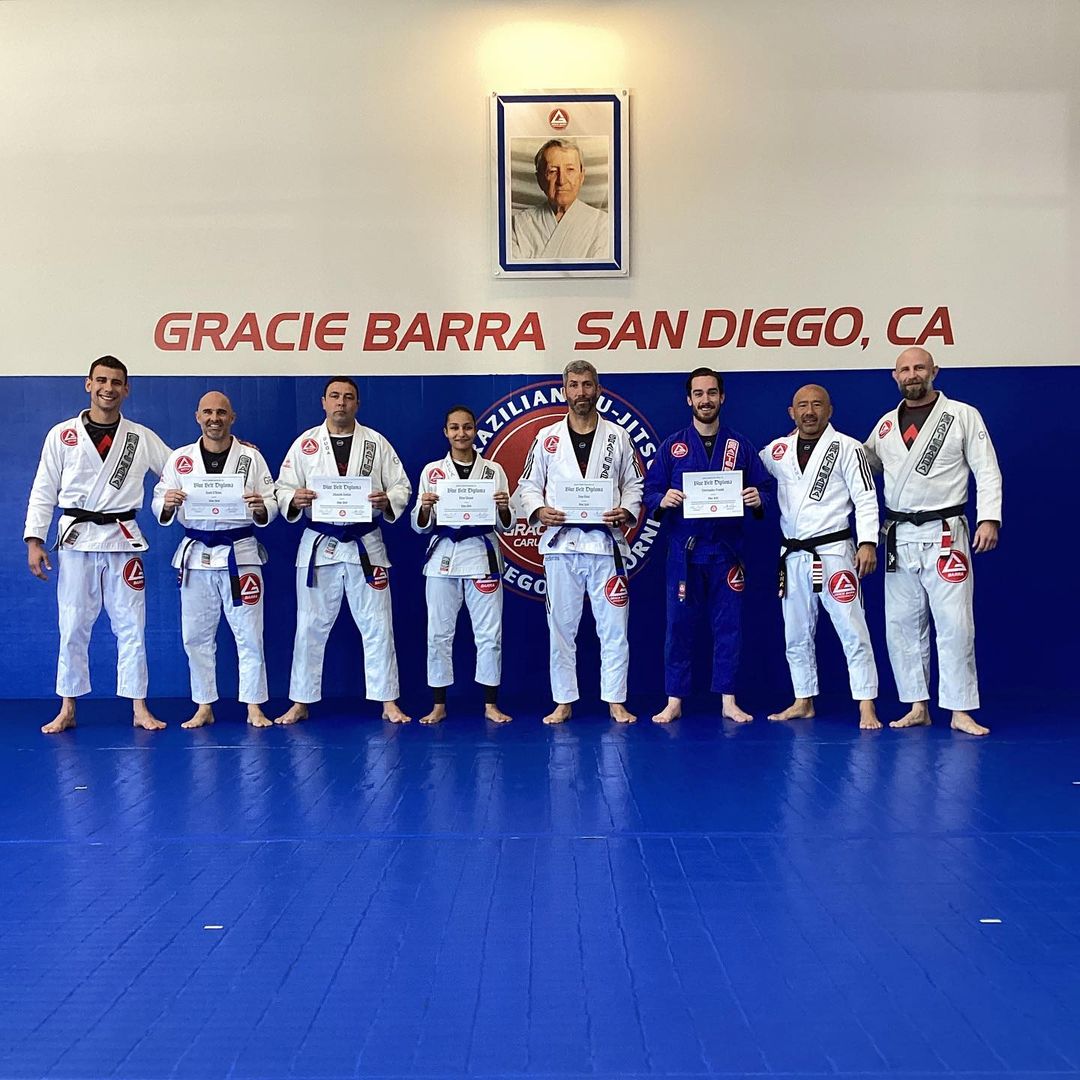
The Brazilian Jiu-Jitsu Blue Belt is one of the most significant achievements in the martial art. It marks the transition from beginner to intermediate. It represents at least one to two years of consistent dedication, countless hours of drilling, and a fundamental understanding of BJJ mechanics. For practitioners in San Diego, earning that Blue Belt at Gracie Barra is a moment of profound pride. However, this new rank also brings new challenges. Many practitioners experience the dreaded “Blue Belt Blues“—a period of stagnation or frustration. This comprehensive guide outlines the crucial steps you must take after promotion. It details how to solidify your game, accelerate your learning toward Purple Belt, and ensure longevity in your BJJ journey here in San Diego.
Discover Gracie Barra San Diego
The Blue Belt Challenge: Why People Quit
The Blue Belt phase is notorious for having the highest dropout rate in BJJ. This often happens because the goals and challenges change drastically from the White Belt stage.
Understanding the Shift in Expectations
As a White Belt, your primary goal was survival and absorbing information. As a Blue Belt, the expectations change:
You Are the Target: Lower belts see you as a goal to achieve. They use their raw strength and unpredictability against you, often testing your positional control.
Higher Standard of Performance: Higher belts (Purple and Brown) no longer take it easy. They expect functional defense and effective technique application.
Information Overload: You realize the vastness of the art. The initial excitement of learning basics fades, replaced by the daunting task of mastering complex techniques.
Overcoming these challenges requires a shift in mindset and strategy, moving from simply collecting techniques to deeply understanding principles.
Phase 1: Solidifying Your Game – The Blue Belt Mandate
Your first mission as a Blue Belt is to transition from simply knowing moves to being able to execute them reliably under pressure. This means creating a functional, repeatable “A-Game.”
1. Develop Your Core “A-Game”
As a White Belt, you experimented. Now is the time to specialize. Identify two or three sequences that fit your body type and athletic strengths.
Key Areas to Define:
One Reliable Guard: Choose a guard (e.g., Closed Guard, Half Guard, De La Riva) and develop it deeply. You should be able to sweep or submit opponents consistently from this position.
One Go-To Pass: Select a guard pass (e.g., Toreando, Leg Drag, Over/Under) that you can execute against 80% of your partners. Master the pressure and details of this pass.
One Escape System: Be able to escape efficiently from the most common controlling positions (Side Control and Mount) using minimal energy.
Focusing your energy on a few core positions allows you to develop flow and confidence. This focused approach is preached by instructors at Gracie Barra San Diego.
2. Prioritize Positional Sparring
Positional sparring is the most effective tool for Blue Belt development. It removes the stress of a full roll and allows you to practice specific sequences repeatedly.
Practice with Purpose: Always roll with a clear objective. For example: “I will only sweep from Closed Guard this round,” or “I will only work to pass the Half Guard.”
Ask Higher Belts: Seek out Purple and Brown Belts. Ask them to put you in difficult positions (like Deep Half Guard or Turtle) and focus solely on your escape and reversal techniques.
This structured training forces technique application and reduces reliance on scrambling or brute strength.
Phase 2: Mastering the Mental Game and Consistency
The Blue Belt test is often less about physical prowess and more about mental endurance. Consistency is the true currency of progress at this stage.
3. Embrace the Philosophy and Study the Art
The Blue Belt signifies that you are ready to delve into the intellectual aspect of BJJ. You must move from memorizing moves to understanding the principles behind them.
Study Principles, Not Just Techniques: Focus on concepts like leverage, base, timing, and weight distribution. Understanding why a move works allows you to adapt it when an opponent resists.
Self-Correction: After a training session, analyze your mistakes. Ask your Professor or training partner what went wrong and how you could have fixed the position. Humility is the greatest asset of any Blue Belt.
Consistency is Key: The most common mistake is training inconsistently due to frustration or injury. Aim for three quality sessions per week to ensure continuous muscle memory development and progress. This disciplined commitment is essential in San Diego‘s busy environment.
4. Become an Instructor and Mentor
One of the best ways to solidify your own knowledge is to teach. As a Blue Belt, you now hold the responsibility of guiding new White Belts.
Lead by Example: Demonstrate proper mat etiquette, humility, and safe training practices.
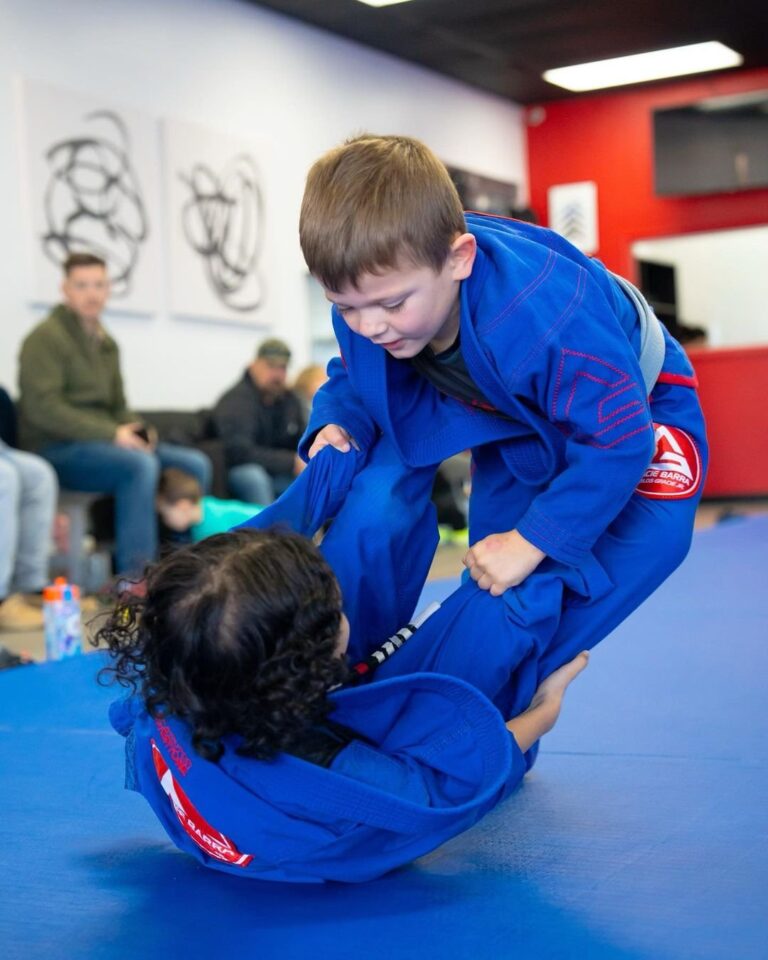
Drill with Beginners: Helping a White Belt drill a move forces you to articulate the technique clearly. This solidifies your own understanding of the steps and details.
Reinforce Fundamentals: By teaching basic concepts, you reinforce the most important techniques of your own game.
The Gracie Barra San Diego culture thrives on mutual support. Your role as a mentor now officially begins.
Phase 3: Setting the Stage for Purple Belt
The Purple Belt requires two years of continuous, dedicated training at the Blue Belt level (per IBJJF rules). Use this time wisely to expand your repertoire strategically.
5. Strategically Expand Your Game
After solidifying your A-Game, begin incorporating new elements that complement your style.
Areas for Strategic Expansion:
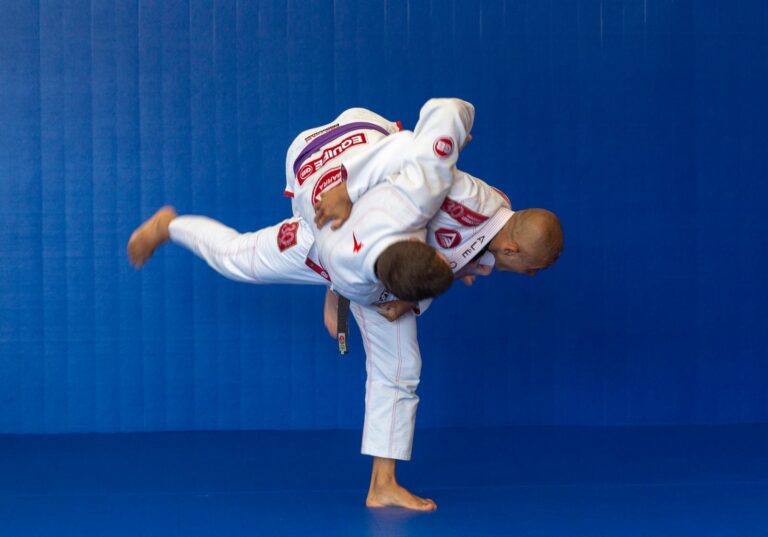
Takedowns: Start integrating one simple takedown (e.g., single leg, double leg, or a strong throw) into your standing game. This adds crucial dimension to your fighting stance.
The Second Guard: Begin developing a secondary guard (e.g., Spider Guard or Lasso Guard). This forces opponents who figured out your main guard to adapt.
No-Gi Training: If you primarily train Gi, start cross-training No-Gi. This improves your grip strength, body control, and demands better positional transitions without relying on the fabric.
Submission Chaining: Learn to transition immediately from a failed submission attempt (e.g., an Armbar) directly into a second attack (e.g., a Triangle Choke). This makes you a continuous threat.
Your Path to Longevity Starts Now in San Diego
The Blue Belt is a pivotal moment. It is the rank where your commitment shifts from a hobby to a lifestyle. By focusing on defining your “A-Game,” embracing consistent training, and prioritizing mentorship, you avoid the “Blue Belt Blues.” You set yourself on an unstoppable path toward Purple Belt and beyond.
The journey requires hard work, but the skills and resilience you build in San Diego will serve you for life.
Discover Gracie Barra San Diego
Join the Gracie Barra San Diego family today and conquer the Blue Belt phase with strategy and focus!
Ready to master the next phase of your BJJ journey? Contact Gracie Barra San Diego to discuss your individualized training plan and leverage the full power of our advanced curriculum! Visit our state-of-the-art academy here in San Diego and continue building your legacy on the mats. We look forward to seeing your stripes turn into Purple!